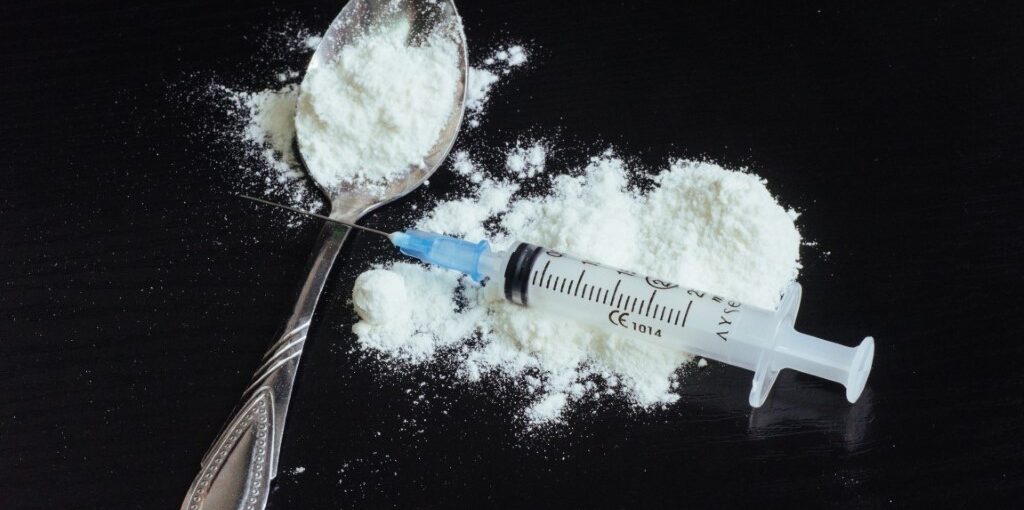
How Addiction Turns Loved Ones Into Unwitting Participants in Gaslighting

Gaslighting Is Not a Solo Performance

Gaslighting in addiction is rarely a one-person operation. While the addicted individual may be the one distorting reality, the environment around them often becomes fertile ground for those distortions to grow. Families do not intentionally enable deception, but they become entangled in the dynamic because addiction manipulates the emotional architecture of the household. The addict rewrites events out of fear and shame, and the family, desperate for stability, ends up unconsciously reinforcing those distortions. Over time, gaslighting becomes a shared language that no one deliberately chose but everyone has learned to speak.

This is one of the most painful truths in addiction recovery. The family may believe they are helping by smoothing over issues, avoiding confrontation, or preserving peace. In reality, they may be reinforcing the very confusion that keeps the addiction alive. This article examines gaslighting not simply as something an addict does to their loved ones, but as a dynamic that the entire household becomes woven into, often without realising it.

The Addict’s Dependency on Emotional Cover

Every addict relies on their environment to compensate for the dysfunction caused by their substance use. When their behaviour becomes too chaotic to conceal alone, the family begins absorbing the fallout. They excuse absences, soften consequences, hide embarrassing incidents, reinterpret events for outsiders, and protect the addict from social or professional repercussions. In doing so, they unintentionally become part of the emotional camouflage that shields the addiction.

This emotional cover does not emerge from malice. It emerges from fear, fear of conflict, fear of embarrassment, fear of losing the relationship, fear of the addict’s anger, and fear of what will happen if the addiction is fully exposed. The family convinces themselves that protecting the addict is the same as supporting the addict. But protection and support are vastly different. Protection enables gaslighting. Support confronts it.

As the addict becomes more reliant on these protective behaviours, the household begins functioning around the addiction rather than around truth. Gaslighting becomes easier because the family is already smoothing over reality.

Emotional Survival vs Emotional Honesty

Loved ones often believe that confronting dishonesty will push the addict away or make the situation worse. They worry that calling out inconsistencies will trigger anger, withdrawal, or another binge. This fear pushes families into a pattern of emotional survival where peace becomes the goal rather than honesty. In this environment, gaslighting thrives because no one is challenging the distortions.

Family members may pick their battles carefully, allowing smaller lies to slide because they feel too exhausted to confront everything. Over time, the tolerance for distorted narratives expands. The line between “keeping the peace” and “accepting the unacceptable” becomes blurred. Loved ones start adapting to the addict’s reality rather than anchoring themselves in their own.

This constant emotional negotiation is one of the most damaging aspects of the dynamic. The family slowly loses touch with their instincts and begins questioning their reactions, not because they are wrong, but because they have been steadily conditioned to doubt themselves.

The Household Becomes an Echo Chamber

Addiction creates an emotional climate where silence feels safer than honesty. The more the addict distorts the truth, the more the family retreats into avoidance. The home becomes an echo chamber where everyone tiptoes around the obvious. Gaslighting becomes woven into the walls, creating a reality where denial feels normal and truth feels disruptive.

For example, when a family member witnesses erratic behaviour, they often keep quiet because acknowledging it risks conflict. When they hear the addict rewrite an event, they may pretend not to notice because correcting the lie feels exhausting. When a glaring inconsistency presents itself, they may stay silent because they fear the consequences of speaking up. Each instance of silence becomes another brick in the emotional wall that gaslighting builds.

The longer this continues, the more distorted the household’s baseline becomes. Eventually, the family is no longer living with an addict, they are living inside the addict’s reality.

The Emotional Manipulation

Addiction often weaponises the family’s compassion. The addict learns, consciously or otherwise, that certain emotional triggers will derail accountability. They may appeal to sympathy, guilt, or fear. They may portray themselves as misunderstood, attacked, or unfairly blamed. They may shift the focus to the family member’s tone rather than their behaviour. They may reframe concern as control or interpret boundaries as rejection.

Over time, these emotional tactics train the family to avoid anything that might trigger another spiral of defensiveness. The addict discovers that emotional volatility is an effective silencing tool. The family internalises the idea that preserving calm requires abandoning confrontation. This is how gaslighting becomes cyclical. The addict distorts reality, the family absorbs the distortion, and the pattern reinforces itself.

The manipulation is rarely intentional. It emerges from the addict’s fear of consequences and the family’s fear of conflict. Both parties are trapped. Neither sees the full picture. Everyone is exhausted.

Why Families Choose the “Less Painful Lie”

One of the most confusing aspects of addiction is how families often cling to explanations they know are untrue. They may recognise that the addict’s story is inconsistent, but they choose to accept it because the truth feels too overwhelming. This is not denial in the traditional sense. It is emotional triage. The family member chooses the version of the story that hurts less in the moment, even if it hurts more in the long term.

For example, it is easier to believe that your partner stayed late at work than to confront the possibility that they were using again. It is easier to believe that money was misplaced rather than spent on substances. It is easier to accept a softened version of events than to acknowledge the cycle of relapse. Gaslighting thrives because both the addict and the loved one are frightened of what the truth will demand.

The loved one’s acceptance of the soft lie becomes the oxygen that gaslighting breathes. It allows the disease to continue quietly, bypassing accountability through mutual fear.

How the Family’s Silence Becomes Permission

Silence becomes one of the most powerful enablers of gaslighting. When a family member stops confronting obvious distortion, the addict interprets the lack of reaction as acceptance. They assume their explanation has worked. The absence of pushback reinforces the belief that their manipulations are effective and justified. In turn, the addict becomes bolder in their distortions, sensing that the emotional resistance has weakened.

The loved one’s silence is not agreement. It is fatigue. It is fear. It is survival. But to the addict, silence becomes permission. And once permission is perceived, gaslighting becomes deeply entrenched in the relationship.

This silence also reshapes the emotional tone of the household. Children may learn not to question inconsistencies. Partners may learn to endure discomfort silently. Parents may learn to pretend everything is fine to maintain family appearances. The home becomes a museum of unspoken truths.

Gaslighting as a Shared Delusion

In advanced addiction, the gaslighting dynamic becomes so persistent that both the addict and the family begin living in a shared delusion. The addict knows the truth but pretends otherwise. The family senses the truth but avoids acknowledging it. The household becomes a place where everyone is living beside the truth rather than inside it. The addiction grows in this shared silence, feeding off the emotional paralysis of the entire system.

This shared delusion is often shattered suddenly, a crisis, an overdose, a financial collapse, a confrontation by an outsider, or a moment of clarity that cannot be ignored. When the illusion collapses, the relief is often mixed with grief. Families finally see how deeply they were pulled into the psychological architecture of the addiction. The addict finally sees how much harm their avoidance has caused.

The collapse is devastating. But it is also the point where real recovery can begin.

Why Treatment Resets the Entire System

Rehab does not simply treat the addicted person. It resets the family system. It interrupts the gaslighting dynamic by removing the addict from the environment they learned to manipulate. The clinical setting immediately exposes inconsistencies because professionals challenge distortions without emotional entanglement. Peer accountability prevents the addict from reframing events. Therapy forces the addict to confront the truth they have been running from.

At the same time, the family begins reclaiming their own perception. They reconnect with instincts that were buried under years of emotional confusion. They learn the difference between compassion and enabling, between support and self-sacrifice. Most importantly, they learn to separate the addict from the addiction, which allows them to rebuild relationships based on honesty rather than fear.

Treatment does not simply help the addict. It helps the entire household step out of the emotional fog.

The Family Was Not Blind, They Were Overwhelmed

Families often blame themselves for participating in the gaslighting dynamic. They fear they were naïve or weak. But the truth is far gentler. Families become entangled in gaslighting because they are overwhelmed, frightened, and desperately trying to hold everything together. Addiction hijacks the emotional climate of the home and turns survival instincts into enablers of distortion.

Recognising the dynamic does not reflect failure. It reflects awakening. When truth becomes non-negotiable again, the family and the addict both gain the chance to rebuild a life that is grounded, stable, and no longer dependent on distortion.


We Gave Children Dopamine Before We Gave Them Coping Skills

Children today are encountering powerful emotional stimulation long before they learn how to regulate what they feel. Screens deliver novelty, reward, colour, sound, and affirmation instantly, often before a child has developed language for frustration, boredom, disappointment, or waiting. This imbalance matters because emotional regulation is not an instinct, it is a learned skill built slowly through real world experiences. When stimulation arrives first and coping comes later or not at all, the nervous system learns to chase relief instead of building tolerance.

This is not about demonising technology or blaming families who are trying to survive demanding lives. It is about acknowledging that modern childhood has changed faster than emotional development can adapt. Children are not choosing this environment, they are being shaped by it.

Dopamine Without Effort Rewrites Expectation

Dopamine is not pleasure, it is anticipation and motivation. It teaches the brain what is worth pursuing. Screens provide dopamine quickly and reliably without requiring effort, patience, or emotional engagement. A swipe, a tap, or a scroll produces a response. Over time the brain learns that stimulation should arrive easily and frequently.

The problem appears when real life fails to match that expectation. Conversations move slowly. Schoolwork requires focus. Relationships involve misunderstanding and repair. When a child has learned that relief should be instant, anything that is not becomes intolerable. Frustration feels overwhelming not because the task is impossible but because the nervous system has not practiced staying present through discomfort.

This is why many children appear explosive, restless, or emotionally flat when screens are removed. It is not defiance. It is a nervous system that has been trained to expect constant reward and has not learned how to wait.

Emotional Regulation Is Built Through Friction

Children learn to regulate emotions by experiencing manageable levels of frustration and being supported through them. Waiting for a turn, losing a game, feeling bored, struggling with a task, or sitting with disappointment all contribute to emotional growth. These moments are not pleasant but they are essential.

When screens remove friction, those lessons disappear. A bored child is no longer required to invent a game, reflect, or tolerate stillness. A frustrated child can be distracted instantly. Over time the emotional muscles that allow children to self soothe and problem solve remain underdeveloped.

This does not mean screens are the only factor, but they are uniquely efficient at removing discomfort. When discomfort is consistently avoided, the ability to handle it never forms. Later in life this gap shows up as anxiety, avoidance, irritability, or emotional shutdown.

Why Boredom Matters More Than We Admit

Boredom is not a failure state. It is the space where imagination, reflection, and internal motivation develop. When children are bored they are pushed inward, forced to engage with their thoughts, emotions, and impulses. This process builds creativity and emotional awareness.

Screens eliminate boredom entirely. There is always something to watch, play, or consume. The result is a generation that struggles with unstructured time. Silence feels threatening. Stillness feels uncomfortable. Many children and teenagers report anxiety when nothing is happening, not because something is wrong but because they have never practiced being alone with themselves. Boredom teaches children that they can survive emptiness. Screens teach them that emptiness must be filled immediately.

The Rise of Emotional Fragility

Many parents and teachers describe children as more sensitive, more reactive, and less resilient than previous generations. This is often framed as weakness or overprotection, but it is more accurate to see it as a lack of emotional training.

When a child has relied on external stimulation to manage feelings, internal regulation never develops fully. Small stresses feel enormous. Criticism feels unbearable. Discomfort feels like danger. Emotional reactions escalate quickly because the system has not learned how to downshift on its own.

This fragility is not a character flaw. It is a predictable outcome of an environment that prioritises comfort over capacity. When relief is always available, tolerance never grows.

Screens and the Avoidance Loop

Avoidance is a powerful learning mechanism. When a behaviour reduces discomfort, the brain remembers it. Screens reduce discomfort extremely effectively. Feeling sad, bored, lonely, angry, or overwhelmed can all be softened instantly by digital stimulation.

Over time children learn to avoid emotional states rather than move through them. This pattern is concerning because avoidance strengthens anxiety. The more emotions are escaped, the more threatening they feel when they inevitably return.

This avoidance loop mirrors patterns seen in substance use later in life. The substance or behaviour is not the core issue, the issue is reliance on external relief instead of internal regulation. Screen addiction in childhood does not guarantee future addiction, but it can create the conditions where coping through avoidance feels normal.

Attention Is Not Just Focus It Is Emotional Control

Attention is often discussed as a cognitive skill, but it is also an emotional one. Sustained attention requires the ability to tolerate boredom, frustration, and delayed reward. When attention is constantly fragmented by fast paced digital input, that tolerance weakens.

Children raised on rapid stimulation struggle with tasks that require sustained effort. Reading, listening, and problem solving feel exhausting. This is not laziness. It is an attention system that has been trained to expect constant novelty.

As a result many children are labelled as having behavioural or attention disorders without addressing the environmental factors shaping their nervous systems. The question is not why they cannot focus, it is what their brains have been trained to expect.

Parents Are Managing Systems Not Failing Children

It is important to say clearly that this is not a moral judgement on parents. Families are navigating systems that demand productivity, constant availability, and digital engagement. Screens are often used as survival tools, not indulgences.

What is missing is honest support and realistic guidance. Parents are told to limit screens without being offered alternatives that fit modern life. Schools rely on digital tools while criticising their impact. Society demands calm, focused children while surrounding them with stimulation. Blame helps no one. Understanding helps everyone.

Relearning Emotional Skills Is Possible

The nervous system is adaptable. Children can learn emotional regulation later, but it requires intention and consistency. This does not mean removing screens entirely. It means reintroducing experiences that build tolerance and self awareness.

Unstructured play, boredom, physical activity, conversation, and quiet time all contribute to regulation. So does allowing children to feel uncomfortable without immediately fixing it. Support does not mean rescue. Presence matters more than distraction.

When children are guided through frustration rather than shielded from it, they learn that emotions are manageable. This lesson is more protective than any filter or time limit.

The Long View Matters More Than Convenience

The true cost of early dopamine exposure is not visible immediately. It appears later in anxiety, burnout, emotional avoidance, and difficulty coping with adult responsibilities. These outcomes are not inevitable, but they are increasingly common.

The goal is not to raise children who never struggle. It is to raise children who know how to struggle without collapsing. That capacity is built slowly through real experiences that screens cannot replace.

If we want future generations who can handle complexity, disappointment, and uncertainty, we need to prioritise coping skills before stimulation. Dopamine should be a reward, not a foundation.

Choosing Capacity Over Comfort

Comfort feels kind in the moment. Capacity is kind over a lifetime. When children are given tools to manage emotions instead of being distracted from them, they grow stronger, not harder.

This conversation is uncomfortable because it asks adults to examine not just children’s screen use but our own relationship with discomfort. Screens soothe everyone. The difference is that adults have already built some coping skills. Children are still forming theirs.

What we model becomes what they learn. If we show that discomfort can be tolerated and emotions can be felt without escape, we give children something far more valuable than entertainment. We give them resilience. The future generation does not need more stimulation. It needs the ability to live without it.

When Calm Becomes a Currency

In a world that never switches off, calm has become a luxury item. We chase it like status, something to earn, display, and defend. And in that desperate pursuit, one small pill has risen to the top, Xanax.

Once reserved for severe anxiety or panic disorders, Xanax has become the drug of modern life, a quick-fix tranquilliser for a society that’s forgotten how to rest. It’s the “I’m fine” pill. The chemical pause button. The socially acceptable way to disappear from your own chaos for a few hours.

But the quiet it offers comes with a hidden cost. The calm that starts as relief can quickly become dependency. What begins as a coping mechanism often ends as a currency, traded, shared, and relied upon to buy moments of peace in a culture that demands constant performance.

From Treatment to Trend

Xanax, or alprazolam, was never meant to be a lifestyle accessory. It was designed to help those crippled by anxiety and panic attacks function again. But like many pharmaceuticals, it didn’t stay in its medical lane.

The drug’s effectiveness, and the instant relief it brings, made it ripe for misuse. It doesn’t take long to learn that one small white tablet can flatten anxiety, soften heartbreak, and silence the noise in your head. It’s not dramatic like alcohol or illicit drugs, it’s discreet, tidy, and seemingly harmless.

That’s why it’s spreading. Teenagers, students, professionals, all drawn to the same promise: peace on demand. On TikTok and Instagram, “Xanax culture” is normalised through memes, influencers, and songs. The drug that once lived behind pharmacy counters now lives in playlists and punchlines.

The Sedated Society

We live in an anxious world. The pace, the screens, the pressure to stay relevant, it’s enough to keep anyone’s nervous system in a permanent state of alarm. So when a pill promises calm, who can resist? But Xanax doesn’t fix anxiety, it numbs it. It doesn’t teach the brain to regulate, it silences the alarm instead. Over time, that silence becomes addictive. Because after feeling nothing, every other emotion feels like too much.

Users start chasing that numbness like a high. One tablet becomes two, then three. The brain builds tolerance quickly. Soon, the original prescription doesn’t work, and the person who once took it to manage stress now needs it just to function.

That’s how dependency sneaks in, not through rebellion, but through relief.

The Hidden Epidemic

In South Africa, prescription drug abuse rarely makes headlines, but it’s growing fast. Pharmacies are overflowing with anxiety medication. Some people get them legally through overprescribing doctors, others buy them on WhatsApp groups or dark web marketplaces. It’s the perfect addiction, invisible, functional, and socially acceptable.

A person addicted to Xanax doesn’t fit the stereotype of an addict. They go to work, pay bills, smile at the neighbours. But underneath the polished exterior, their brain is fighting a chemical battle, a constant negotiation between sedation and withdrawal.

Withdrawal from benzodiazepines like Xanax isn’t mild. It’s one of the most dangerous detoxes in medicine. Sudden discontinuation can cause seizures, psychosis, and panic attacks so severe they can mimic heart failure. Many users try to quit alone and end up in hospital, or worse.

How the System Fuels It

Pharmaceutical addiction thrives in the cracks of modern healthcare. Doctors are under pressure to treat symptoms fast. Patients expect instant results. Insurance companies pay for pills, not therapy. Everyone’s looking for shortcuts. Xanax fills that demand perfectly. It works fast, it’s easy to prescribe, and it doesn’t require emotional effort. But it’s treating the noise, not the cause. The same anxiety returns, often stronger, when the pill wears off. And so begins the cycle of dependence that no one notices until it’s too late.

Some doctors overprescribe without fully explaining the risks. Others do it out of compassion, unaware of how quickly the line between use and abuse blurs. The patient comes back every month saying, “I just need a refill, I can’t sleep without it.” And because anxiety is invisible, nobody questions it.

The New Face of Self-Medication

Today’s Xanax user is not the stereotypical addict. They’re not shooting up in alleys or sneaking into rehab. They’re students taking it before exams, young mothers using it to “take the edge off,” professionals swallowing one before board meetings. It’s the drug of the functioning anxious, the people society praises for holding it all together. The irony is that the same high-achievers who rely on Xanax to keep calm are often the ones drowning under impossible expectations.

In a world that rewards productivity and punishes vulnerability, medicating emotions has become a survival strategy. But surviving isn’t the same as living.

Calm as Currency

We’ve turned tranquillity into a social transaction. “You’re so chilled,” people say, as if it’s a compliment. The ability to appear unbothered has become a form of social capital, proof that you’re managing your chaos better than others. Xanax feeds into that illusion. It allows people to appear composed even when they’re collapsing inside. It smooths over emotion, flattens anxiety, and lets people keep performing. But what it really buys is disconnection, from others, and from yourself.

Emotions serve a purpose. Anxiety warns us, sadness grounds us, fear protects us. When we silence those signals chemically, we lose access to our emotional compass. Over time, that numbness spreads beyond the pill’s effect. Life itself starts to feel muted.

The Black Market Calm

Like all high-demand substances, Xanax has spawned a thriving illegal market. Fake pills, often pressed with dangerous chemicals like fentanyl, are sold online and at schools. Teens call them “chill pills,” unaware that one counterfeit tablet can kill. The problem is accessibility. Social media and encrypted messaging have made it easy to buy without leaving your room. No shady dealer, no transaction on a street corner. Just a DM, a drop-off, and another secret dependence hiding behind a phone screen.

Many of these counterfeit pills look identical to the real thing, but the contents are wildly unpredictable. What starts as an attempt to manage stress can end in overdose.

The Social Media Effect

TikTok and Instagram are saturated with “mental health content”, some well-intentioned, some not. The line between awareness and glamorisation is paper-thin. Videos of influencers joking about taking “a little Xan to sleep” rack up millions of views. For impressionable teens and young adults, this normalises self-medication. Anxiety is no longer something to understand or work through, it’s something to silence. And if silence can be bought, why wouldn’t you?

The darker side of this is the peer reinforcement loop. Online communities form around shared struggle, but they can easily slip into shared dependency. Posts about panic attacks get likes. Posts about quitting get silence. The algorithm rewards the drama, not the healing.

Rehab for the “Respectable Addict”

When people addicted to Xanax end up in treatment, they often arrive in denial. “I’m not a drug addict,” they’ll say. “These were prescribed.” That’s the stigma trap, the belief that legality equals legitimacy. But addiction doesn’t care about prescription pads. It’s chemical, not moral. In rehab, recovering Xanax users often face two battles: withdrawal and shame. The withdrawal is physical; the shame is social. It’s hard to admit you’ve lost control of something society calls medicine.

Good treatment programs understand this. They focus not just on detox, but on rebuilding natural stress tolerance. Learning to experience anxiety without suppression. Reconnecting with feelings after years of emotional silence.

The goal isn’t to eliminate anxiety, it’s to make it survivable without a pill.

The Emotional Consequences of Chemical Calm

When you spend years numbing emotion, you forget how to feel. Many people in recovery describe early sobriety as being hit by the full force of reality, every suppressed feeling returning at once. It’s overwhelming, but it’s also where healing starts.

Real calm isn’t the absence of feeling, it’s the ability to stay grounded in discomfort. Xanax robs people of that skill. It gives them quiet, but not peace. True peace requires presence, not absence.

A Generation of the Overwhelmed

The rise of the Xanax epidemic says less about the drug and more about the times we live in. We are overstimulated, overworked, under-slept, and emotionally exhausted. Anxiety isn’t an illness in isolation, it’s a symptom of modern life. But instead of changing the system that makes us sick, we medicate ourselves to survive it. Calm has become a coping mechanism for chaos we refuse to confront.

That’s not an individual failure, it’s a collective one. Society tells us to hustle, optimise, and perform, then shames us when we can’t handle it. Xanax simply fills the gap between human limits and cultural expectations.

The Way Back to Real Calm

There’s no shame in needing help. But we need to relearn what help looks like. Calm shouldn’t come from a pill alone. It should come from boundaries, rest, therapy, and community, from learning to tolerate the full range of being alive. We need to stop equating stillness with success and start valuing slowness as strength. Anxiety isn’t a flaw; it’s feedback. It’s your body saying, “This isn’t sustainable.” The goal isn’t to silence it but to listen to it.

Recovery from Xanax isn’t just quitting a drug, it’s reclaiming your emotional bandwidth. It’s rediscovering what calm actually feels like when it’s earned, not bought.

The Currency of the Future

If we keep treating calm like a product, we’ll stay enslaved to the systems that sell it to us. The real rebellion is to stop needing it so desperately. To slow down. To rest without guilt. To feel without fear.

Because peace isn’t something you swallow. It’s something you practice. And the moment we stop buying calm, we might finally start living it.

How Alcohol Became the Language of Belonging

For many South African teenagers, the first drink isn’t about rebellion, it’s about belonging. It’s not taken in a dingy alley or a nightclub bathroom. It’s at a house party, a braai, or a quiet corner of someone’s lounge while parents are away for the weekend. It’s poured into a red cup, handed over with a grin, and followed by the unspoken rule of teenage social life, if you don’t drink, you don’t fit in.

That first sip isn’t really about alcohol. It’s about identity. About being part of something. About earning the right to be in the photo, the group chat, or the memory. Alcohol, for many teens, isn’t just a beverage, it’s social currency.

The Culture of Performance

We live in a culture where drinking isn’t just allowed, it’s celebrated. Ads show laughter, connection, and confidence, not hangovers, fights, or regret. For adults, drinking is “relaxing.” For teens, it’s a shortcut to adulthood.

Teen drinking isn’t new, but its meaning has changed. What used to be an act of defiance has become a form of performance. On social media, parties are filmed, tagged, and shared. The image of the carefree, laughing teen holding a drink is now a digital badge of belonging. Not drinking, by contrast, reads as rejection, not just of alcohol, but of the tribe.

That’s the trap. For teenagers still figuring out who they are, the idea of being left out feels worse than the idea of losing control.

The “Everyone’s Doing It” Illusion

One of the most dangerous myths about teen drinking is that everyone is doing it. In reality, many teenagers either don’t drink or drink less often than their peers assume. But perception drives behaviour more than truth.

When a few loud, confident teens glorify drinking, it sets the tone for everyone else. The quieter ones follow, not because they want to get drunk, but because they want to belong. The power of alcohol in adolescence lies not in its chemical effects but in its social symbolism. It says, “I’m one of you.”

And when that belonging is linked to intoxication, the brain learns something dangerous, that vulnerability, humour, and connection require alcohol to exist.

Why Teens Drink, The Emotional Truth

Ask a teenager why they drink, and you’ll get answers like “to have fun,” “to relax,” or “to fit in.” But underneath those answers lies a more honest truth, alcohol helps them silence the constant noise of insecurity. Adolescence is a battlefield of identity, expectation, and emotional overload. Alcohol, at first, feels like relief, a pause button for anxiety. It makes people easier to talk to, easier to impress, easier to like. It’s not about getting drunk, it’s about feeling free.

The tragedy is that this relief is temporary and costly. Because once alcohol becomes the social lubricant for connection, it quietly teaches dependence, not necessarily on the substance itself at first, but on what it represents, permission to be yourself.

The Party Economy

In South Africa, underage drinking is an open secret. It’s not just tolerated, it’s woven into youth culture. Teenagers can buy alcohol through older friends, unregulated shebeens, or even certain convenience stores that look the other way.

Parties, especially in suburban or affluent areas, often double as social status showcases. Who can host, who can supply, who can handle their liquor. The party isn’t really about music or dancing, it’s about hierarchy. Alcohol becomes the entry fee.

Parents often rationalise it. “At least they’re drinking safely,” or “I’d rather they drink at home where I can keep an eye on them.” But there’s no such thing as controlled underage drinking. What starts as supervision often becomes silent permission.

The Cost of Cool

Teenagers drink because it works, at least in the short term. Alcohol lowers inhibitions, increases dopamine, and makes socialising easier. It’s instant gratification with a hidden bill. The teenage brain isn’t fully developed, especially the prefrontal cortex, the part responsible for judgment and impulse control. When alcohol floods that system, it rewires it. Studies show that teenagers who start drinking early are more likely to develop long-term addiction, mental health issues, and risky behaviours.

But that’s the part nobody sees. The consequences come later, long after the party photos are deleted and the hangovers forgotten. The body remembers. The brain remembers. The sense of needing something to feel normal becomes the quiet seed of future dependency.

Peer Pressure in the Age of Perception

Peer pressure used to be direct, a friend offering a drink, a group chanting “come on, just one!” Today, it’s more subtle. It’s the filtered Instagram story of friends at a bar. It’s the unspoken sense that everyone else is living a louder, freer life. Social media has turned comparison into a full-time job. For teens, drinking isn’t just about the experience, it’s about curating an identity. They drink for the story, for the photo, for the appearance of confidence.

That’s what makes teen drinking harder to combat than before. You can’t just warn about “bad company” when the pressure comes through a phone screen every day.

The Role of Parents, Silent Complicity or Active Prevention

Parents often underestimate how their own drinking habits shape their children’s relationship with alcohol. Kids notice. They notice the wine after a stressful day, the jokes about “needing a drink,” the social events that always include booze. If alcohol is constantly presented as the solution to boredom, stress, or celebration, teens learn by example. They internalise the belief that emotional states must be managed chemically. By the time they reach adolescence, that belief feels normal.

The answer isn’t total prohibition, it’s honesty. Talk about alcohol as a drug, not a cultural norm. Share your own experiences, mistakes, and boundaries. Create an environment where a teen can admit they’re drinking without being shamed. Because shame doesn’t prevent drinking, it just makes kids do it in secret.

A Culture Soaked in Alcohol

South Africa has one of the highest per-capita alcohol consumption rates in the world, and our relationship with drinking is deeply cultural. From weddings to funerals, braais to birthdays, alcohol is ever-present. It’s both the symbol of celebration and the tool for escape. Teenagers grow up surrounded by it, at home, in adverts, in sports sponsorships, in music videos. When a society uses alcohol to mark every emotional milestone, it’s naive to expect teenagers not to absorb the same script.

What makes it more dangerous is accessibility. Cheap alcohol, lack of enforcement, and widespread tolerance create the perfect storm. While laws exist, their application is patchy, especially in rural and township areas.

The Silent Epidemic of Teen Hangovers

For many parents, teen drinking only becomes a concern when it leads to disaster, an accident, a pregnancy, or an arrest. But most teen drinking doesn’t explode publicly. It simmers quietly in patterns that go unnoticed, sneaking alcohol before social events, drinking alone out of boredom, or bragging about hangovers like battle scars.

These behaviours may not look alarming on the surface, but they build the foundation for adult addiction. They teach the brain to link alcohol with relief and confidence, associations that are hard to break later in life.

And when that teenager becomes a university student or young professional, the same coping mechanism, “I need a drink to relax”, evolves into dependence.

What We’re Still Getting Wrong

Most school-based anti-drinking campaigns focus on fear: car crashes, liver damage, and ruined futures. But teenagers don’t respond to fear, they respond to belonging. Telling them that alcohol kills doesn’t compete with the feeling of inclusion that drinking gives.

What schools and communities need to do is reframe the conversation. Instead of lecturing, teach self-awareness. Replace “don’t drink” with “ask yourself why you want to.” Encourage discussions about identity, peer pressure, and social anxiety, the real reasons behind teen drinking.

Prevention isn’t about banning fun; it’s about redefining what connection looks like.

Rehab and Early Intervention

When most people imagine rehab, they picture adults, not teenagers. But more families are seeking help for adolescent addiction every year. Early intervention is crucial because the teenage brain is still plastic. Recovery is not just possible, it’s transformative if addressed early.

Modern rehab programs for teens focus not just on detoxing, but on rebuilding self-esteem, social skills, and emotional regulation. It’s about teaching them to experience connection without substances, a lesson that many adults in recovery never learned.

Ignoring early signs of dependency because “they’re just experimenting” can have devastating long-term consequences. By the time experimentation becomes addiction, the brain chemistry has already adapted.

Breaking the Cycle of Social Drinking

Teen drunk culture doesn’t exist in isolation, it’s a mirror of adult society. When adults glorify drinking as essential to socialising, teens inherit that narrative. If we want to change teenage behaviour, we must first look at our own. Creating alcohol-free social spaces, promoting mental health awareness, and normalising emotional honesty can shift the culture. The goal isn’t to demonise alcohol but to remove its monopoly on connection.

Because if teenagers learn that belonging doesn’t require a drink, the entire foundation of teen drinking collapses.

The New Language of Belonging

What teens are really craving isn’t alcohol, it’s connection, acceptance, and authenticity. But somewhere along the line, our culture taught them that those things only happen when you’re buzzed.

Changing that story starts with adults who model emotional courage. Parents who show that joy, grief, and boredom can exist without a drink in hand. Teachers who talk openly about pressure instead of pretending it doesn’t exist. Friends who include, not exclude, the one who says no.

Belonging should never require intoxication. It should come from being seen, not from what’s in your glass.

The Deadly Link Between Addiction and Suicide

Addiction and suicide are two of the darkest realities in mental health, and they often live in the same room. They share a common language of pain, shame, and exhaustion. Both are ways of saying, “I can’t keep doing this.” Yet, while society often treats them as separate issues, they are deeply intertwined, one feeding the other in a cycle that too often ends in silence.

This isn’t an easy conversation. But it’s a necessary one. Because behind every statistic is a person who didn’t want to die, they just didn’t know how to live without the pain.

The Hidden Relationship

Research shows that people struggling with addiction are far more likely to experience suicidal thoughts or behaviors. It’s not just correlation, it’s cause and effect. Addiction changes the brain’s chemistry, warps emotions, and amplifies hopelessness. Depression deepens, impulse control fades.

In the quietest moments of withdrawal or despair, that dangerous thought, “maybe everyone would be better off without me”, can start to sound like logic.

But addiction isn’t just about the substance. It’s about what the substance silences. People don’t start using drugs or alcohol because they want to die. They start because they want to stop feeling. And when the substance stops working, when the pain is louder than the escape, that’s when the danger peaks.

When Numb Becomes Nothing

Addiction begins as relief. It ends as numbness. But numbness isn’t peace, it’s absence. The longer someone stays in that emotional vacuum, the less real life feels. Relationships blur. Joy disappears. The world narrows into a single obsession: the next fix, the next drink, the next moment of quiet.

And when even that fails to bring relief, suicide can feel like the final form of escape.

The cruel irony is that addiction, which once promised freedom, becomes the very cage that traps a person in despair. By the time suicidal thoughts appear, it’s rarely about wanting to die. It’s about wanting the pain, shame, and endless cycle to stop.

The Science of Despair

There’s a biological link between addiction and suicide risk. Substances like alcohol, opioids, and meth alter the brain’s prefrontal cortex, the region responsible for impulse control and decision-making. They also disrupt serotonin and dopamine balance, heightening depression and impulsivity.

This chemical chaos makes people more vulnerable to suicidal thoughts, especially during withdrawal or comedowns. Alcohol, for example, lowers inhibition and amplifies emotional instability, which is why many suicides happen while intoxicated.

In short: addiction rewires the brain to seek instant relief, and suicide becomes the ultimate, catastrophic expression of that same wiring.

The Silent Killer

If addiction is the wound, shame is the infection that stops it from healing. Shame tells the addict they’re unworthy of help. That they’ve ruined too much, hurt too many, and are too far gone.

Shame is what keeps people from reaching out. It’s what whispers, “You did this to yourself.” And in that loneliness, the idea of ending everything starts to feel like mercy.

But shame is a liar. What most addicts don’t see is that the very thing they’re ashamed of, their pain, their struggle, is what connects them to others. The world is full of people carrying that same invisible weight, waiting for someone to break the silence first.

Suicide Doesn’t Happen in a Moment

One of the most misunderstood aspects of suicide is that it’s rarely a sudden decision. It’s a slow erosion, of hope, connection, and identity. Addiction accelerates that erosion.

First, you lose trust in yourself. Then you lose trust in others. Then you lose the belief that anything can change. By the time suicidal thoughts take root, the person is already isolated, exhausted, and chemically imbalanced.

That’s why suicide prevention in addiction recovery can’t just be about crisis hotlines. It has to start much earlier, with connection, treatment, and genuine conversations about pain before it metastasizes into despair.

The “Functional” Trap

Many addicts appear fine on the outside. They go to work, pay bills, and keep relationships intact, at least for a while. But inside, they’re collapsing. The mask of functionality hides suicidal thinking better than any substance can.

That’s why some suicides shock families. They didn’t see it coming because the person seemed “okay.” But “okay” in addiction often means “barely holding it together.” And for many, the performance of normalcy is its own exhausting addiction.

The Collapse Point

Every addict reaches a moment when their substance stops working. The high no longer numbs. The drink no longer calms. The pills no longer sleep. That moment, the collapse point, is where the risk of suicide skyrockets.

It’s not just withdrawal that’s dangerous. It’s what happens when the addict realizes that the one thing keeping them alive is also what’s killing them.

If they don’t have support, real, immediate, non-judgmental support, they can spiral fast. This is why detox and treatment programs must screen for suicidal ideation and address it openly, not as a side note, but as a central part of recovery.

Family and Friends, What You Can Do

You can’t fix someone’s addiction or suicidal thinking. But you can be the interruption, the voice that cuts through the noise. Ask directly: “Are you thinking about ending your life?” It doesn’t plant the idea. It saves lives.

Avoid the temptation to minimize. Don’t say, “You’ll be fine,” or “You’re strong.” Instead, say, “You don’t have to go through this alone.” Encourage them to speak to a therapist, reach out to a treatment center, or even just stay connected in conversation.

Presence matters more than perfection. Many people who survive suicide attempts say one thing stopped them, someone simply noticing.

The Recovery Paradox

Ironically, suicide risk often spikes after someone stops using. Early recovery brings emotions roaring back, guilt, grief, anxiety, regret. The brain hasn’t yet relearned how to regulate mood naturally. Without proper support, that emotional flood can feel unbearable.

That’s why recovery isn’t just about stopping the substance; it’s about rebuilding the self. Learning how to sit with pain without self-destruction. Finding meaning where there used to be numbness. And surrounding yourself with people who understand that relapse isn’t the only risk, despair is too.

Finding Meaning in Survival

One of the most powerful antidotes to suicidal thinking is purpose. Not in the self-help sense, but in the deeply human sense of mattering. Recovery gives many people their first glimpse of that, through community, service, and honesty.

When you talk about your pain, you give someone else permission to face theirs. That’s not a slogan; it’s how healing spreads. It’s why group meetings and recovery spaces work, because they transform isolation into belonging. For someone teetering on the edge, that belonging can be the difference between giving up and holding on.

South Africa’s Silent Struggle

In South Africa, suicide rates linked to alcohol and drug use remain underreported but significant. With high unemployment, trauma, and limited access to mental health services, many turn to substances as a form of self-medication. When addiction deepens and hope fades, suicide too often becomes the tragic final chapter.

We need to start treating addiction not as a moral failing, but as a mental health crisis intertwined with depression, anxiety, and trauma. Every overdose, every relapse, every suicide attempt tells the same story: a person trying desperately to escape unbearable pain.

Breaking the Silence

If you’re reading this and see yourself in these words, if you’ve ever thought, “I just want it to stop”, know this: you are not the only one. There are people who’ve been exactly where you are and made it through.

Call for help. Tell someone. Reach out to a treatment center, a friend, or a counselor. There’s no shame in saying you’re not okay. The real tragedy is believing you have to face it alone.

The Road Back

Recovery isn’t about becoming someone new. It’s about remembering who you were before the pain took over. That person is still in there, scared, yes, but also capable of rebuilding.

There’s a life after addiction, and it’s not perfect or easy. But it’s real. It’s full of mornings you wake up without dread. Conversations that don’t end in lies. Laughter that isn’t chemically forced. That life starts with one small, defiant choice: to stay.

Because staying, even one more day, is its own form of courage.


Toxic Comforts, How Our Chemical Dependence Mirrors Addiction

We all have our version of a fix. For some, it’s that first glass of wine after work. For others, it’s a prescription pill, a vape, an energy drink, or a social media scroll. They seem harmless, even earned, the small comforts that take the edge off life. But when comfort becomes the condition for survival, it’s no longer comfort at all. It’s dependence. And dependence, when left unchecked, grows into addiction.

The truth is, addiction doesn’t always announce itself in chaos. Sometimes it hides behind routines so normal they look healthy. The morning coffee that becomes four. The sleeping pills you “need” to rest. The phone you can’t not check. It’s all the same equation: pain, relief, repeat. And the line between chemical comfort and chemical capture is much thinner than we’d like to believe.

The Illusion of Control

One of the most common lies addiction tells is, “You’ve got this.” It thrives in the illusion of moderation, convincing us that because we function, we’re fine. But functioning isn’t freedom. It’s survival. The person who uses alcohol to unwind might not drink to blackout, but they still drink to not feel. The person relying on antidepressants prescribed years ago but never reviewed might not be chasing a high, but they’re still chemically managing discomfort rather than addressing it.

Addiction often starts with control. We use substances, or behaviors, to regulate pain, boredom, or fear. Over time, the brain rewires itself around that external fix. It learns that relief equals reward, and before long, the thing that once gave us comfort begins to own us.

The Modern Landscape of Dependence

Chemical dependence has never been more socially acceptable. We live in a world built to keep us stimulated, distracted, and just comfortable enough to not ask why we’re miserable. From prescription drugs to caffeine, sugar, and screens, society rewards escape. We call it productivity, wellness, or “self-care.” But much of what we celebrate as coping is really avoidance in disguise.

You can see this in language, “wine o’clock,” “I need my meds,” “I can’t start my day without coffee.” These small phrases carry cultural permission to depend. But if we stripped away the packaging, we’d see a pattern that mirrors addiction’s core logic: using something external to regulate something internal.

The Biology of Comfort

The human brain is designed to seek safety. When we feel pain, stress, or emotional discomfort, the brain looks for quick relief. Substances like alcohol, opioids, and benzodiazepines flood our systems with dopamine and GABA, creating temporary calm. Over time, the brain begins to associate these chemicals with safety itself, and when they’re removed, withdrawal sets in.

Withdrawal isn’t just physical. It’s psychological. Without the chemical crutch, the brain struggles to produce those calming neurotransmitters naturally. That’s why detox feels like chaos: your body is learning how to self-regulate again.

Even “softer” dependencies, caffeine, nicotine, sugar, run this same circuit, albeit less dramatically. When you skip your daily coffee and feel a headache, irritability, or fog, that’s dependence speaking. You’re not weak. You’re wired.

Comfort as a Coping Mechanism

Comfort, in its purest form, is a biological necessity. But comfort becomes toxic when it replaces growth. Many people in recovery describe how substances once felt like medicine, a cure for loneliness, pain, or trauma. That’s because, initially, they work. Alcohol numbs. Pills calm. Sex distracts. Food soothes. But the comfort doesn’t heal what caused the pain, it simply silences it.

And once silence becomes the goal, we start avoiding the very emotions that could lead us to healing. This is why recovery isn’t about removing substances; it’s about relearning how to feel without relying on them.

Dependence Without the Drug

One of the most overlooked truths about addiction is that you can remove the substance but keep the behavior. People leave rehab and swap alcohol for sugar, smoking for vaping, or workaholism for over-exercising. The brain’s pattern of “seek relief, repeat” persists unless it’s consciously reprogrammed.

This is why recovery demands more than abstinence. It requires awareness, understanding what you use, why you use it, and what you’re avoiding. Without that self-inquiry, the addiction simply changes costume.

The Hidden Costs of “Functional” Dependence

Not all addictions destroy jobs or marriages. Some quietly erode your emotional life. The “functional” addict may never crash their car or lose their home, but they lose something more subtle, presence. The ability to sit with discomfort. The depth of real connection. The joy that isn’t chemically induced.

Dependence shrinks life down to maintenance, always chasing balance but never feeling it. When everything you do is to avoid withdrawal (physical or emotional), your life becomes a series of negotiations with fear. That’s not living; it’s managing existence.

Why We Cling to Our Poisons

So why don’t we stop? Because our comforts often become part of our identity. The smoker calls themselves a “social smoker.” The drinker becomes “the life of the party.” The anxious person becomes “the night owl who can’t sleep without meds.” Letting go of these patterns feels like erasing who we are.

Addiction, at its core, is not about pleasure, it’s about survival. The substance or behavior becomes intertwined with the illusion of safety. To remove it feels like standing naked in the storm. That’s why change feels impossible until the pain of staying the same outweighs the fear of letting go.

Healing Through Discomfort

Recovery is not about comfort, it’s about capacity. The capacity to sit in discomfort long enough to understand it, rather than escape it. Many people entering recovery believe they’re signing up for misery, a life without joy, numbness, or relief. But what actually happens is the opposite.

When the chemical fog lifts, emotions return, raw, painful, real. But within that chaos lies clarity. You start to see which feelings were real and which were numbed. You begin to experience joy not as a chemical event, but as a byproduct of authenticity.

This process is brutal, which is why support systems, therapy, groups, community, are crucial. Nobody learns to sit with pain alone. Healing begins when we stop trying to go back to “normal” and start building something new.

The Myth of Balance

One of the most dangerous ideas in recovery is that of balance, the belief that we can manage small doses of what once destroyed us. For some, moderation works. For most, it’s just a slower relapse. The same is true outside traditional addiction. Trying to “balance” social media, fast food, or gambling habits can feel virtuous, but it often delays the deeper work: asking why we need those things in the first place.

Real balance doesn’t come from managing our poisons. It comes from learning that we don’t need them.

From Comfort to Connection

If addiction isolates, recovery reconnects. The antidote to toxic comfort isn’t abstinence, it’s connection. When we share our pain, it loses its power. When we find community, the need for external regulation weakens.

You can’t fill the void of disconnection with dopamine. You can only fill it with belonging. That’s why group therapy, 12-step programs, and recovery communities work, not because of the steps themselves, but because they remind us that we’re not alone in our chaos.

Choosing Real Comfort

Real comfort doesn’t numb. It restores. It’s the quiet of early mornings without hangovers. The ability to sit still without anxiety clawing at your skin. The laughter that isn’t chemically inflated. The sleep that isn’t forced.

You don’t have to give up comfort to recover, you just have to redefine it. Comfort, in recovery, is learning that peace doesn’t come in a bottle, a pill, or a phone screen. It comes from alignment, when your choices stop waging war against your own body and mind.

We live in a culture addicted to comfort, chemically, digitally, emotionally. But the truth about dependence is this, comfort and healing rarely live in the same place. To heal, you have to walk through discomfort without a shortcut. You have to trust that what feels unbearable today will one day feel survivable, and even peaceful.

Toxic comforts are easy. Real peace is earned. But once you’ve felt it, you’ll never trade it for a chemical calm again.

Anxiety, the Gateway to So Many Addictions

Most people think addiction starts with curiosity, the first drink, the first pill, the first escape. But for many, it starts long before that. It starts with anxiety. With the racing thoughts that never stop. With the tight chest, sleepless nights, and constant sense that something terrible is about to happen.

Anxiety can feel like a storm you can’t step out of. It’s not always visible, but it’s relentless. And when your own mind feels unsafe, it’s only natural to look for a way out. That’s where addiction slips in, quietly, almost logically.

At first, it works. A drink slows the thoughts. A pill softens the edges. A line of something gives you energy when you’ve run out. The problem is, what starts as relief quickly becomes reliance. The body adapts. The brain rewires. And before long, the thing that once gave peace becomes the thing you can’t live without.

Anxiety doesn’t just open the door to addiction, it holds it open.

Why Anxiety Feels Unbearable

Anxiety is not “just worrying.” It’s a physiological state of emergency that the body can’t switch off. The nervous system stays on high alert, scanning for danger, replaying mistakes, predicting disasters that never come. It’s exhausting, and yet you can’t rest. The mind loops: What if? What if? What if? Your body responds as if you’re being chased, even when you’re lying in bed.

For people living like this, substances offer something anxiety never does, certainty. You know that one drink will take the edge off. You know that pill will slow the pulse. For a few minutes, you get to feel normal.

That’s why anxiety is so dangerous, not because of what it is, but because of what it drives people to do to make it stop.

The False Calm of Addiction

Anxiety tells you you’re unsafe. Addiction tells you it can fix that. It promises calm, control, and escape, and for a short while, it delivers. That’s why so many anxious people don’t see their substance use as a problem at first. They see it as management. A way to cope. A way to function.

But the brain is clever. The more you use a substance to create calm, the less capable your body becomes of creating it on its own. Over time, the substance that was supposed to help you cope becomes the thing making you anxious. You start needing it just to feel baseline.

It’s a cruel cycle, using to stop anxiety, then feeling anxious because you used. The “solution” becomes the source of suffering.

The Hidden Anxiety Behind Everyday Addictions

When people think of anxiety-driven addiction, they imagine drugs or alcohol. But anxiety hides behind many behaviours that society rewards. Overworking, overexercising, constant social scrolling, all of these can become addictions disguised as productivity or self-improvement. The anxious brain craves control, and anything that provides structure or distraction feels like safety.

That’s why you’ll find anxious people who can’t stop checking emails, cleaning, organising, or gaming. It’s not about obsession, it’s about silence. They’re trying to manage the internal chaos by controlling the external world.

And like any addiction, it works, until it doesn’t.

When Panic Becomes the Baseline

For people with chronic anxiety, panic becomes the background noise of life. You might not even call it anxiety anymore, you just think you’re a “stressed person,” “type A,” or “high-functioning.” But that constant adrenaline is addiction’s favourite playground.

The nervous system stays overstimulated, and the body starts to crave regulation. Without learning healthy coping mechanisms, you’ll always reach for whatever calms the storm fastest, even if it destroys you in the process.

That’s why treating addiction without addressing anxiety almost guarantees relapse. You can take away the substance, but if the body still feels unsafe, it will find another outlet.

How Anxiety Makes You Vulnerable to Addiction

Anxiety doesn’t just make you uncomfortable, it rewires how you experience the world.

  • Heightened sensitivity: You feel everything more intensely, including stress, rejection, and emotional pain.
  • Low tolerance for uncertainty: You crave control, and substances give the illusion of it.
  • Avoidance: You’ll do almost anything to dodge discomfort.
  • Reward sensitivity: Because the anxious brain operates in overdrive, even small moments of relief feel euphoric, which reinforces the use of substances.

This is why anxious people are more likely to develop dependencies. They don’t chase highs, they chase relief.

When Recovery Triggers Anxiety

Ironically, the early stages of recovery can make anxiety worse. Detox strips away the numbing agents, and suddenly you’re left with all the sensations you worked so hard to avoid. The heart races again. The fear returns. The mind feels unsafe.

For someone whose addiction began as an escape from anxiety, sobriety can feel unbearable. The body is used to external regulation. Without it, it panics. That’s why therapy in recovery isn’t just about staying sober, it’s about learning how to self-soothe without substances. Breathing, grounding, mindfulness, movement, these aren’t clichés. They’re nervous system rewiring tools.

It takes time, but the brain can learn calm again. The same way it learned chaos.

Anxiety and the Illusion of Control

Every anxious person has a secret fantasy, control. If they can control every detail, predict every outcome, and stay one step ahead, maybe they’ll finally feel safe. But control is the great illusion, it’s impossible, and the harder you chase it, the more anxious you become.

Addiction feeds off that illusion. Substances feel controllable, a button you can press to manage emotion. But that control always ends the same way, tolerance, dependency, loss.

True recovery means giving up the illusion of control and learning to live in uncertainty without falling apart. That’s terrifying for anxious people. But it’s also liberating. Because control was never safety, it was just another prison.

The Role of the Body in Healing Anxiety

Anxiety isn’t just in the mind, it lives in the body. The shoulders tense. The breath shortens. The stomach knots. The heart races. And over time, that constant stress becomes physical illness, migraines, digestive problems, high blood pressure.

That’s why recovery can’t only be talk therapy. The body needs to unlearn its fear response. Practices like yoga, breathwork, massage, or trauma-informed movement help release stored tension. They teach the body that it’s allowed to relax again.

When the body feels safe, the mind follows. Without that physical safety, every small stressor feels like a threat, and the old coping habits start to whisper again.

“Why Can’t I Just Calm Down?”

Anxiety is cruel because it makes you feel broken for feeling too much. People tell you to relax, breathe, or “just think positive.” But when your nervous system is locked in survival mode, logic doesn’t work. That frustration, that sense of failure, feeds shame. And shame is the emotion that keeps addiction alive. You start believing you’re defective. That you’re weak for needing help. That you should be able to handle life like everyone else.

But you’re not weak. You’re overloaded. Your nervous system is doing its job, it’s just doing it too well. Healing begins when you stop seeing anxiety as the enemy and start understanding it as a message: something inside you doesn’t feel safe.

The Long Road from Panic to Peace

Moving from anxiety-driven addiction to peace isn’t about eliminating fear. It’s about learning to live with it without needing to escape. It’s about befriending the part of you that panics, teaching it that you’re safe now.

That’s not quick work. It takes therapy, support, and daily practice. It means learning how to slow down when your instincts scream to run. It means choosing connection instead of isolation. It means letting go of the illusion that peace comes from control.

Peace isn’t the absence of anxiety, it’s the presence of acceptance. When people finally reach that stage in recovery, they describe something powerful: stillness. Not numbness. Not emptiness. Just stillness. The kind of quiet that doesn’t threaten, it comforts.

It’s not about escaping panic. It’s about transforming it.

Learning New Ways to Cope

Replacing addiction with healthy coping isn’t about forcing calm, it’s about creating balance. Here’s what works:

  • Grounding techniques, focusing on what’s real in the present moment instead of catastrophic thoughts.
  • Breathwork, using the breath to regulate the nervous system.
  • Therapy, exploring the roots of anxiety and learning to manage thought patterns.
  • Movement, physical activity that releases adrenaline and restores calm.
  • Connection, finding community and talking about fear without shame.

These tools don’t erase anxiety, they make it survivable. They remind the body that safety doesn’t have to come from a bottle, pill, or escape. It can come from within.

Anxiety Recovery Is Addiction Recovery

If you only treat the addiction, you’re cutting weeds without pulling roots. Anxiety is often the soil addiction grows from. Until it’s healed, something else will grow there, relapse, new habits, or emotional paralysis. Recovery means teaching the anxious body to live without numbing and teaching the fearful mind that calm isn’t dangerous.

At We Do Recover, we help people find treatment that understands this connection, where anxiety isn’t dismissed as “just stress,” but recognised as one of the biggest drivers of addiction and relapse.

Because peace isn’t found in avoidance. It’s built through understanding.

Recovery Maintenance Vs. Acute Treatment Focus

In the landscape of addiction treatment, two approaches stand out – recovery maintenance and an acute treatment focus. Through the lens of Dr. Andrew Tatarsky’s integrative harm reduction psychotherapy, we delve into the differences, applications, and implications of both methods, especially within the South African context.

When you find yourself or a loved one struggling with addiction, it’s natural to seek out immediate solutions. That’s where acute treatment comes in. This approach zeroes in on providing immediate care, often in crisis situations. It’s like applying a band-aid – offering immediate relief, stabilization, and a semblance of control over the overwhelming experience of addiction.

But while acute treatments might provide that much-needed immediate assistance, it often doesn’t account for long-term care or address the underlying issues. That’s where recovery maintenance enters the picture. Imagine not just treating a wound but ensuring that it heals properly, minimizing the risk of further injury. Recovery maintenance is about fostering a sustainable, long-term environment where you can continuously grow and heal. It’s an approach that aligns closely with Tatarsky’s perspective, viewing addiction not as a disease but as a symptom – a sign that there are underlying problems that need addressing, understanding, and healing. In this model, addiction is seen as a result of a myriad of factors, including trauma, societal pressures, and personal challenges.

Given the complexities and multifaceted nature of addiction, especially in a country as diverse and rich in history as South Africa, a one-size-fits-all model simply won’t suffice. Different individuals, influenced by distinct backgrounds and experiences, require personalized, adaptable treatments.

The Lesser-known History

The roots of addiction treatment, particularly in South Africa, are deep-seated and complex. Historically, acute treatment methods were the go-to, largely due to their quick, tangible results and the immediate relief they provided. However, with time, as understanding of addiction deepened and evolved, the emphasis began shifting. This evolution was influenced, in part, by global movements that recognized addiction as a symptom of broader life challenges and societal pressures.

In South Africa, the transition was further catalyzed by the nation’s turbulent past, where substance abuse often became a coping mechanism against the backdrop of apartheid, social unrest, and economic challenges. As society began to reconstruct post-apartheid, the need for more sustainable, long-term solutions became evident. Recovery maintenance offered a glimmer of hope, emphasizing continuous support, community involvement, and holistic care.

The narrative of addiction treatment in South Africa is still being written. But as you stand at the crossroads, deciding on the path of treatment, remember that understanding and addressing the root causes, rather than just the symptoms, can pave the way for genuine, lasting recovery.

These insights from experts in the field further underscore the importance of focusing not just on the initial treatment but on the ongoing journey of recovery maintenance.

  • Nadine Burke Harris, a noted pediatrician and Surgeon General of California:
    • “Healing doesn’t come from a single intervention. It’s a continuous journey, one that demands persistence and nurturing. Acute treatments are just the beginning; sustainable recovery is built day by day.”
  • Gabor Maté, renowned author and speaker on addiction and trauma:
    • “In treating addiction, the real work often begins after the initial intervention. Maintenance is where the soul’s healing unfolds, where the roots of resilience deepen.”
  • Johann Hari, author of ‘Chasing the Scream: The First and Last Days of the War on Drugs’:
    • “While immediate treatments might help pull someone out of the dark waters of addiction, it’s the ongoing support and maintenance that teaches them to swim and eventually, to sail.”
  • Carl Hart, a leading expert on drug addiction and professor at Columbia University:
    • “Recovery is not a sprint; it’s a marathon. We can’t just rely on immediate solutions. The long-term strategies, the day-to-day efforts, that’s where the real transformation happens.”
  • Brené Brown, research professor and best-selling author:
    • “In our quest for healing, it’s crucial to remember that quick fixes don’t lead to authentic recovery. Real change requires vulnerability, consistency, and a commitment to showing up for oneself, day after day.”

The Difference in Approaches: Three Illustrative Examples

  1. Post-Surgical Recovery: Physical Health Perspective

Imagine you’ve just undergone a major surgery. The acute treatment here would be the surgical intervention itself, addressing the immediate problem, be it an injury or illness. Once the surgery is done, the immediate danger is often averted. But what follows next?

Post-surgical care, physiotherapy, dietary adjustments, and continuous monitoring are all components of the recovery maintenance. It ensures not only that you heal from the surgery but also that the underlying causes – perhaps a lifestyle choice or other health issues – are addressed. In the world of addiction, the surgical intervention can be likened to detoxification, whereas the post-care aligns with long-term recovery programs, ensuring you don’t find yourself back in the grips of addiction.

  1. Learning Interventions: An Educational Slant

Think back to a time when you might have struggled with a particular subject or skill. An acute solution might have been cramming the night before an exam or seeking a brief tutorial just before a major presentation. And yes, perhaps that helped you get through that immediate challenge.

However, for true mastery or understanding, continuous learning, regular practice, and perhaps even mentorship or tutoring would be essential. That’s the recovery maintenance approach, ensuring that you not only overcome immediate academic hurdles but truly grasp and excel in the subject in the long run. Similarly, in addiction treatment, a short rehabilitation stint might help initially, but continuous therapy and support groups ensure sustained recovery.

  1. Financial Troubles: An Economic Viewpoint

Let’s say you’re facing a financial crunch, and you opt for a quick loan to tide over the immediate crisis – that’s the acute treatment. It solves the immediate liquidity problem. But what led to that crisis? Was it impulsive spending, lack of budgeting, or no savings plan?

Addressing these root causes, perhaps through financial counseling, planning, and creating a budget, is the recovery maintenance approach. In addiction scenarios, while acute treatments may address immediate dangers, understanding and addressing your triggers, developing coping strategies, and building supportive networks ensure you stay on the path of recovery.

Each of these examples underscores a fundamental truth: immediate interventions can be crucial, but for long-term success and genuine healing, a sustained, holistic approach is indispensable.

The Journey Beyond Immediate Solutions

In your journey through recovery, it’s essential to understand that healing is more than just immediate interventions. Acute treatments can provide a foundation, a starting point, but true healing and transformation come from continuous effort and support. As you navigate the path of recovery, remember that maintenance is just as vital, if not more so, than those first crucial steps you take towards healing. In the realm of counselling, this translates to consistent sessions, follow-ups, and integrating the coping mechanisms and strategies learned into your daily life. It’s about building resilience, a fortified spirit that stands strong against life’s storms. As the famous quote by Robert Frost suggests, “The best way out is always through.” In your recovery, go beyond just the immediate ‘way out’; journey through it with dedication, persistence, and the right support, so you emerge on the other side stronger, wiser, and truly free.


Understanding Substance Use Disorders

In the journey of understanding substance use disorders, it is crucial to adopt an approach that embraces compassion and empathy, acknowledging that addiction is a complex interplay of psychological, social, and environmental factors. Russell Brand, a prominent figure in addiction recovery, advocates for a compassionate understanding of addiction, recognizing that shame, guilt, and mistrust in treatment can hinder individuals from seeking help. Let us delve into this topic to gain insights into substance use disorders and how it may resonate with you or your loved ones.

What is a Substance Use Disorder?

A substance use disorder is a condition characterized by the recurrent use of substances such as drugs or alcohol despite experiencing negative consequences. It is not merely a matter of willpower, but rather a complex interplay of genetic, environmental, and psychological factors that contribute to its development. Understanding that substance use disorders are not a personal failure but a medical condition is essential in reducing stigma and fostering empathy.

What Are the Risk Factors for Substance Use Disorders?

Various factors can increase the risk of developing a substance use disorder. These may include genetic predisposition, a history of trauma or abuse, mental health conditions like anxiety or depression, and peer pressure or a social environment that encourages substance use. By addressing these risk factors early on, individuals can take proactive steps towards preventing or managing substance use disorders.

How Can Shame and Guilt Affect Recovery?

Shame and guilt are powerful emotions that often accompany substance use disorders. Feelings of shame may lead individuals to hide their struggles, preventing them from seeking help. Guilt can also exacerbate the cycle of addiction by reinforcing negative self-perceptions. Encouraging open dialogue and providing a supportive, non-judgmental environment can help individuals overcome these barriers and seek the necessary treatment and support.

What Role Does Personal Accountability Play in Recovery?

Personal accountability is a crucial aspect of the recovery process. Accepting responsibility for one’s actions and choices empowers individuals to take charge of their lives and make positive changes. Therapy and counseling can aid in developing a sense of personal accountability and self-awareness, supporting the journey towards recovery.

How Can You Support Someone Struggling with Substance Use?

If you have a loved one dealing with substance use, it is essential to approach them with compassion and understanding. Encourage open conversations about their struggles, express your concern without judgment, and offer support in seeking professional help. Remember that recovery is a process, and your unwavering support can make a significant difference in their journey.

Understanding Substance Use Disorders

The Impact of Co-Occurring Mental Health Conditions:

It is essential to recognize that substance use disorders often co-occur with mental health conditions such as depression, anxiety, or trauma-related disorders. This dual diagnosis can complicate the recovery process, as both conditions may influence and exacerbate each other. Understanding this interconnection is crucial in developing comprehensive treatment plans that address both substance use and mental health issues concurrently.

Stages of Change in Recovery

Substance use disorders are not a linear process, and individuals may go through various stages of change in their recovery journey. The Transtheoretical Model, commonly known as the stages of change, highlights five stages: precontemplation, contemplation, preparation, action, and maintenance. Recognizing these stages can help you understand where you or your loved one stands in the recovery process and tailor support accordingly.

The Role of Social Support in Recovery

Building a strong support network is essential in the recovery from substance use disorders. Social support can come from various sources, including family, friends, support groups, and counselors. Connecting with others who have experienced similar challenges can provide valuable insights and encouragement during difficult times.

Overcoming Stigma and Seeking Help

Stigma surrounding substance use disorders can be a significant barrier to seeking help. Many individuals fear judgment and discrimination, which may prevent them from accessing treatment. Overcoming this stigma involves promoting awareness and education about addiction as a medical condition rather than a moral failing. It also involves fostering a culture of compassion and understanding in society.

The Role of Evidence-Based Therapies

Evidence-based therapies are scientifically validated approaches that have shown effectiveness in treating substance use disorders. These therapies, such as Cognitive Behavioral Therapy (CBT), Motivational Interviewing (MI), and Contingency Management (CM), are tailored to address specific aspects of addiction and promote long-term recovery. Engaging in evidence-based therapies can equip you with coping strategies and skills to navigate challenges and maintain sobriety.

Hope in Addiction Recovery

It’s essential to recognize that you are not defined by your struggles; rather, you possess the strength and resilience to overcome them. As you navigate the path to recovery, keep these insights in mind, for they hold the key to a brighter and healthier future.

The interconnection between substance use and mental health challenges underscores the significance of addressing both aspects in your recovery journey. By acknowledging and seeking help for co-occurring conditions, you empower yourself to break free from the chains that have bound you.

Social support plays a pivotal role in your recovery. Surround yourself with understanding and empathetic individuals who believe in your capacity to heal. By sharing your struggles and triumphs with others who have experienced similar challenges, you create a network of encouragement and strength.

As you confront the stigma surrounding substance use disorders, remember that true strength lies in seeking help and breaking free from the chains of judgment. Embrace the courage within you to defy societal norms and embrace your path to recovery with pride.

Finally, engage in evidence-based therapies that align with your unique needs. These therapies are powerful tools that will equip you with the skills and coping strategies necessary to maintain sobriety and embrace a fulfilling life.

In the words of Maya Angelou, “You may encounter many defeats, but you must not be defeated. In fact, it may be necessary to encounter the defeats, so you can know who you are, what you can rise from, how you can still come out of it.”


The Role Of Family And Friends In In-patient Rehab

As you stand at the threshold of your in-patient rehab journey, it’s natural to feel a mix of emotions – hope, apprehension, and maybe even a hint of fear. You’re embarking on a path of healing and transformation, one that often proves to be challenging yet incredibly rewarding. In this journey, one of the critical pillars of support can be your family and friends.

Rehabilitation isn’t a solitary endeavor. It’s a collective effort that involves you, your treatment professionals, and the people who care about you. Your family and friends play a significant role in your recovery process, and their involvement can make a world of difference.

Firstly, they provide a safety net of love and encouragement. Their unwavering support reminds you that you’re not alone in this fight. Their belief in your ability to overcome addiction can be a powerful motivator on the tougher days.

Secondly, they can be essential in helping you rebuild broken bridges and mend relationships. Addiction often strains the bonds with loved ones, leaving wounds that need time and care to heal. In-patient rehab offers a structured environment where you can begin this healing process, and the presence of family and friends can facilitate honest conversations and reconciliation.

Moreover, your loved ones can actively participate in your treatment. Family therapy sessions, for instance, allow for open dialogue about the challenges that both you and your family may face. By gaining insights into addiction and learning healthier ways to communicate and support one another, your family can contribute significantly to your recovery journey.

But you might wonder about the finer details, the practical aspects of how this involvement works. Let’s address some frequently asked questions regarding the role of family and friends in in-patient rehab for addiction, especially in the South African context:

1. What if my family and friends don’t understand addiction? It’s quite common, and it’s okay. Rehab often includes educational components for families to better understand addiction. Also, counseling sessions can bridge gaps in understanding.

2. How can my loved ones help me after rehab? Support doesn’t end with rehab; it’s an ongoing process. Your family can continue to support your recovery by attending support groups, practicing open communication, and encouraging healthy activities.

3. What if my family relationships are strained due to addiction? In-patient rehab often includes family therapy to address these issues. It’s an opportunity to rebuild trust and heal emotional wounds.

4. Are there support groups for families of addicts in South Africa? Yes, there are support groups like Al-Anon and Nar-Anon in South Africa where families can find guidance and share their experiences.

5. Can my friends play a role in my recovery too? Absolutely! Friends who are supportive and understand your journey can be a valuable part of your support network.

Remember, your family and friends are on this journey with you, and their support can be a lifeline. Together, you can navigate the path to recovery, heal, and build a brighter future.

Useful Tools

  1. Family Therapy Sessions: These structured sessions involve you, your family, and a therapist. They provide a safe space for open communication, addressing underlying issues, and learning healthier ways to interact.
  2. Educational Resources: Look for resources or workshops within the rehab facility that help your family and friends better understand addiction. Knowledge empowers them to support you effectively.
  3. Support Groups: Encourage your loved ones to join local support groups like Al-Anon or Nar-Anon, where they can connect with others who are facing similar challenges and find guidance.
  4. Communication Skills Training: Rehab often offers communication skills training for both you and your family. These skills can help everyone express their thoughts and emotions more effectively.
  5. Post-Rehab Support Plan: Work with your treatment professionals to create a post-rehab support plan that includes specific ways your family and friends can continue to support your recovery journey. This plan can be a roadmap for ongoing assistance.

In this journey of recovery, remember that you are not walking alone. Your loved ones, your family, and your friends are right there beside you, ready to offer their unwavering support. Just as the great Helen Keller once said, “Alone we can do so little; together, we can do so much.”

The path to recovery may be challenging at times, but with your support network standing strong, you are equipped to overcome any obstacle. Your family and friends are not just bystanders; they are active participants in your healing process. Their love, understanding, and commitment can be the wind beneath your wings, propelling you towards a brighter, addiction-free future.

So, as you move forward in your journey, know that you are surrounded by a web of love and support. Embrace it, lean on it, and let it uplift you. Together, you can conquer addiction and emerge stronger than ever before.